True Dentistry Blog
How to protect your child’s teeth from sugar this Halloween
Learn how to protect your child’s teeth from sugar this Halloween, with practical advice on sweets, brushing and reducing the risk of tooth decay.
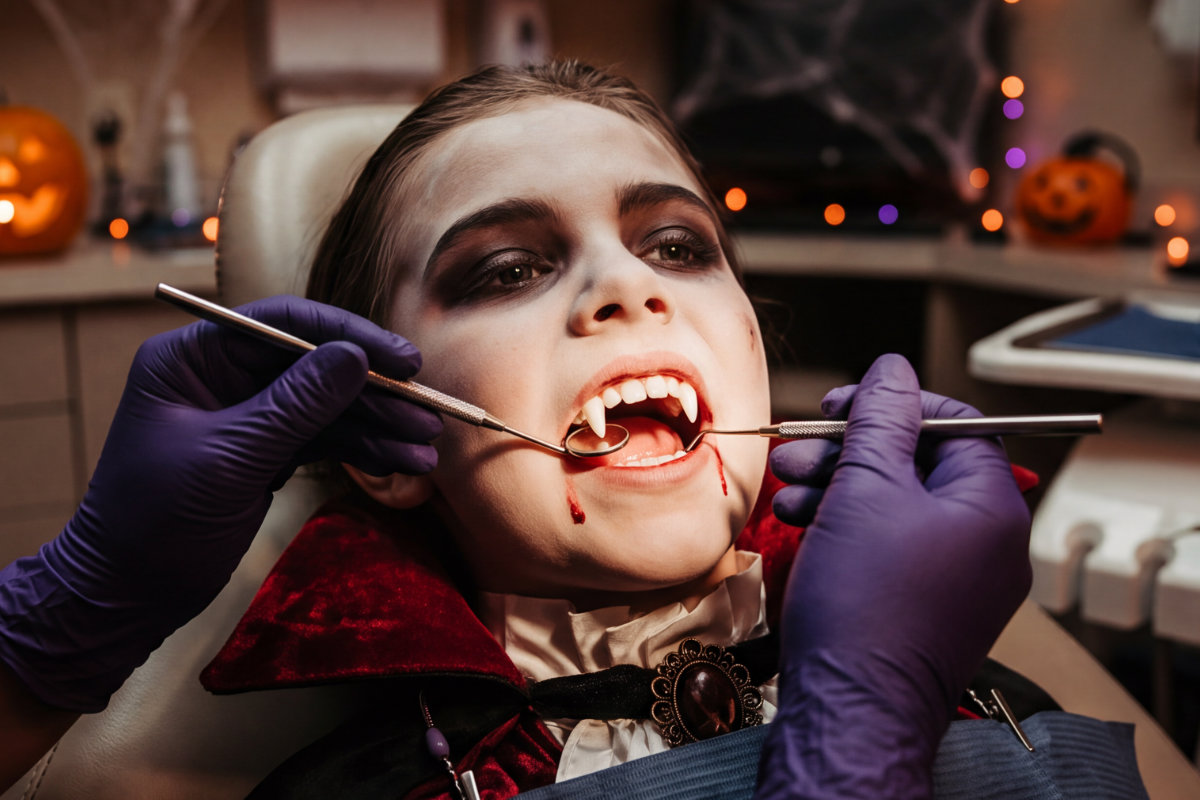
For many children, Halloween and trick-or-treating mean one thing: sweets. And plenty of them.
While enjoying a few treats is part of the occasion, the amount of sugar children consume and how often they consume it can have an impact on their teeth.
Protecting your child’s teeth doesn’t have to mean taking the fun out of Halloween. Being mindful of when they eat sweets, while maintaining their usual brushing routine and regular dental care, can all help reduce the risk of tooth decay.
How does sugar affect children’s teeth?
When children eat or drink something containing sugar, bacteria in the mouth produce acids that attack the surface of the teeth. Frequent exposure to these acids can weaken the enamel and increase the risk of tooth decay.
This means how often children consume sugar matters, not just how much they have. Gradually working through Halloween sweets throughout the day can therefore be more harmful than keeping treats to particular times.
Does it matter when children eat Halloween sweets?
You don’t necessarily need to remove sweets altogether. Instead, consider keeping treats to mealtimes or a defined period rather than allowing children to graze on them throughout the day.
Once Halloween is over, try to return to your child’s usual eating routine rather than leaving a large supply of sweets available for regular snacking over the following weeks.
Water is also a good choice of drink during Halloween, particularly when the alternative is another source of sugar, such as fizzy drinks or juice.
How can I protect my child’s teeth from sugar?
The most important habits are the ones children follow every day, but routines can easily slip around occasions like Halloween.
Children should brush their teeth twice a day for around two minutes using fluoride toothpaste – once in the morning and last thing at night. The amount and fluoride concentration of toothpaste children need varies according to their age, so check the packaging and follow the advice given by your dentist.
For younger children, parents should brush or supervise brushing to make sure all areas of the mouth are being cleaned properly. As children become more independent, it is still worth keeping an eye on their technique.
After brushing, encourage children to spit rather than rinse with water. This allows the fluoride from their toothpaste to remain on the teeth for longer.
As your child’s teeth develop, your dentist can also advise when and how to begin cleaning between them.
Should children brush their teeth straight after eating sweets?
There is no need for your child to brush their teeth every time they have a sweet. Maintaining their usual twice-daily brushing routine is more important.
Some foods and drinks are acidic, which can temporarily soften the tooth surface. Brushing immediately afterwards can contribute to enamel wear, so it’s better to focus on good brushing habits throughout the day rather than brushing after every treat.
Why are regular dental check-ups important for children?
Good habits at home form the foundation of children’s oral health, but regular dental care also plays an important role in prevention.
Routine examinations allow us to monitor your child’s teeth as they develop and identify signs of decay or other changes before they become more difficult to manage. Regular appointments also provide an opportunity to discuss brushing, diet and any concerns you may have about your child’s teeth.
At True Dentistry in Bolton, our approach is centred on prevention. Helping children become familiar with regular dental visits from an early age can also make appointments feel less intimidating and more like a normal part of looking after their health.
Supporting your child’s oral health with True Membership
As part of our True Membership programme, we offer three junior membership plans for children aged from birth up to 16 years old.
Each junior membership includes two dental examinations each year, alongside additional membership benefits. Plans are also available according to age, making it easier to maintain regular professional care.
For parents, membership provides a simple way to build regular dental care into their child’s routine, with appointments planned throughout the year.
When should my child see a dentist?
Regular examinations are important even when your child isn’t experiencing any problems.
However, you should contact your dentist if your child develops persistent toothache, sensitivity, swelling or another noticeable change to their teeth or gums.
Children don’t always recognise or communicate dental problems in the same way as adults, so if something doesn’t seem right, it is worth seeking advice.
If your child is due a routine examination or you have a concern about their teeth, our team at True Dentistry in Bolton is here to help. You can also speak to us about Junior True Membership and the options available for your child’s age.
Get in touch to arrange your appointment.


