True Dentistry Blog
Getting your smile summer-ready with professional Teeth Whitening
Thinking about teeth whitening this summer? Discover how professional treatment at True Dentistry can help you achieve a brighter, more confident smile.
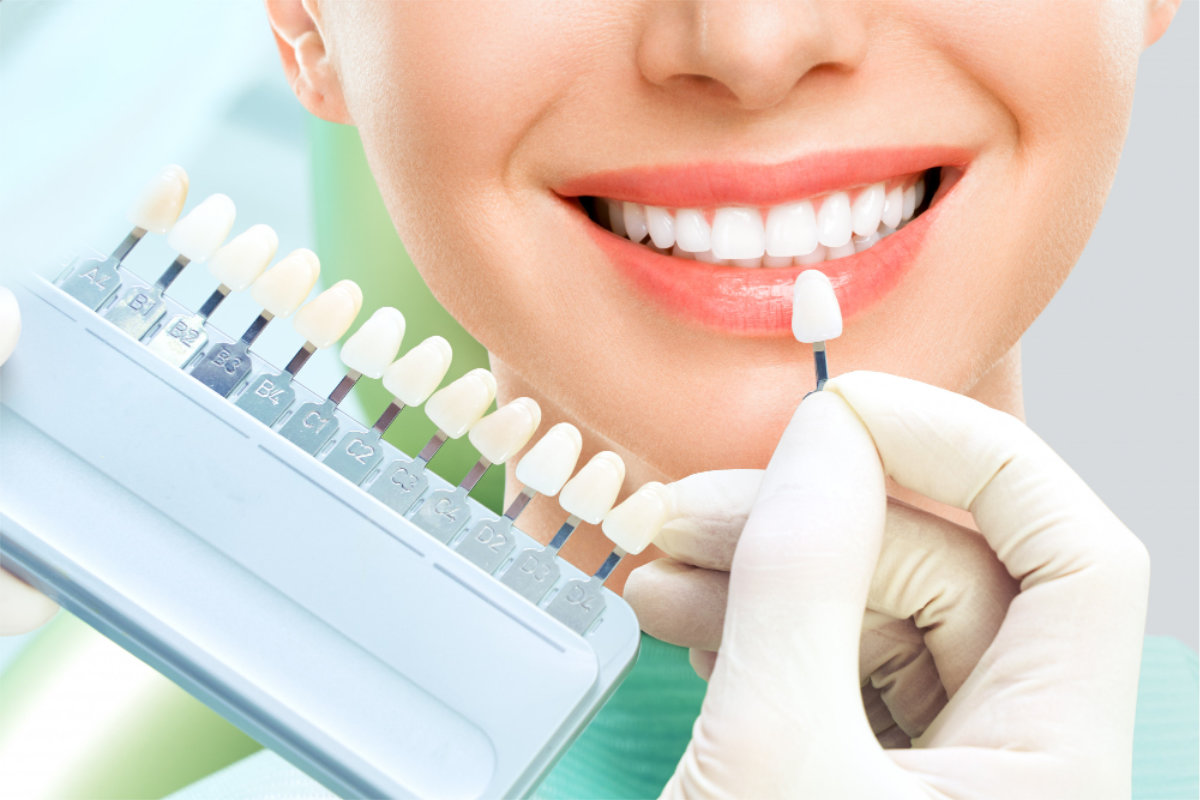
As summer approaches, it’s only natural to start thinking about holidays, social events, and feeling your best. Whether you have weddings to attend, weekend getaways planned, or you’re simply out enjoying the sunshine, confidence plays a big part in how we show up, and your smile is often at the centre of that.
If you’ve found yourself noticing stains or dullness in your teeth, professional teeth whitening can be a simple, effective way to refresh your appearance and feel ready for the season ahead.
Why do teeth lose their brightness?
Over time, it’s completely normal for teeth to lose their natural whiteness. Everyday habits like drinking tea, coffee, or red wine, eating foods that contain supplements such as soy or turmeric, as well as smoking and natural ageing, can all contribute to staining.
There are two main types of tooth staining:
- Surface stains, caused by food and drink
- Deeper stains, which develop within the tooth over time
Professional teeth whitening works by gently lifting these stains, helping to restore a fresher, brighter appearance without altering the natural structure of your teeth.
Why summer is the perfect time for teeth whitening
Longer, sunnier days often bring with them more social engagements, which means your smile is naturally on show a little more than usual.
Teeth whitening is a relatively simple treatment to fit around a busy schedule, making it a practical option if you have plans coming up. With the right approach, results can last throughout the summer season and beyond, especially when supported by good oral care.
Professional whitening vs at-home options
There are many whitening products available, but not all options are equal, especially when it comes to safety and results.
In the UK, the safest and most effective whitening treatments are provided by qualified dental professionals.
- Professional whitening uses carefully controlled ingredients to achieve noticeable, longer-lasting results
- Over-the-counter products are limited in strength and often have minimal impact
It’s also important to know that whitening treatments should always be tailored to your teeth. What works for one person may not be suitable for another, particularly if you have sensitivity, existing dental work, or underlying issues.
What to expect from treatment
Teeth whitening is a straightforward, non-invasive treatment designed to lighten your natural tooth colour. Depending on your needs, it can be carried out in a single in-clinic session or through a take-home system using custom-made trays. Many patients notice a visible improvement in brightness after treatment, with results that can last for months or even years with the right care.
During treatment, we recommend avoiding foods and drinks that are known to stain teeth, such as tea, coffee, red wine, curry, and strongly coloured sauces. These can affect your whitening results and may reduce how long they last, meaning occasional top-up treatments may be needed to maintain your desired shade.
Some people also experience temporary sensitivity, particularly to cold foods and drinks, but this is usually mild and short-lived. Your dentist will provide guidance on aftercare to help maintain your brighter smile and minimise any discomfort.
Keeping your smile brighter for longer
After whitening, small lifestyle changes can help maintain your results:
- Limiting staining foods and drinks where possible
- Rinsing your mouth after consuming coffee or wine
- Maintaining a consistent oral hygiene routine
- Attending regular dental check-ups
These simple habits can help you enjoy your brighter smile well beyond the summer months.
Frequently asked questions about professional Teeth Whitening
Is teeth whitening legal for everyone to provide?
No. In the UK, teeth whitening can only be carried out by qualified dental professionals. Treatments offered by beauty salons, spas, or unqualified individuals are illegal and may put your oral health at risk.
Is professional teeth whitening safe?
Yes. When carried out by a dentist, teeth whitening is a safe and well-established treatment. Before treatment begins, your dentist will assess your teeth and gums to make sure whitening is suitable for you and can use professionally regulated whitening products that are both safe and effective.
Are over-the-counter whitening kits safe?
Over-the-counter whitening products are available, but they are restricted to very low concentrations of whitening ingredients and often produce limited results. It is also important to be cautious when purchasing whitening products online, as some may contain illegal levels of bleaching agents that can damage tooth enamel and irritate or burn the gums.
What happens during professional teeth whitening?
Professional teeth whitening is usually a straightforward process. In many cases, your dentist will take impressions of your teeth to create custom-made whitening trays that fit comfortably and evenly. You will then use these trays at home with professional whitening gel over a period of two to four weeks, depending on your treatment plan.
Is teeth whitening legal for everyone to provide?
No. In the UK, teeth whitening can only be carried out by qualified dental professionals. Treatments offered by beauty salons, spas, or unqualified individuals are illegal and may put your oral health at risk.
What is laser teeth whitening?
Laser whitening, sometimes referred to as in-clinic whitening, is a treatment carried out at the practice. A whitening gel is applied to your teeth and activated using a specialised light, helping to brighten your smile in a single appointment. Treatment typically takes around an hour.
How white will my teeth become?
Results vary from person to person, as every smile is different. Most patients notice their teeth becoming several shades lighter, with the aim of achieving a brighter, natural-looking smile rather than an artificially white appearance.
Will teeth whitening work on crowns, fillings, or veneers?
No. Teeth whitening only affects natural tooth enamel and will not change the colour of existing fillings, crowns, veneers, or other restorations. Your dentist can discuss your options if you are concerned about colour matching after whitening treatment.
How much does professional teeth whitening cost?
The cost of professional teeth whitening varies depending on the type of treatment and your individual needs. Your dentist will be able to provide a personalised quote during your consultation.
How long do whitening results last?
With the right care, teeth whitening results can last for up to three years, although this varies from person to person. Factors such as smoking and the regular consumption of tea, coffee, red wine, and other staining foods and drinks can affect how long your results are maintained.
Will I need whitening top-ups?
Most people choose to refresh their results occasionally with whitening top-up treatment. Depending on your lifestyle and desired shade, this may be every six to twelve months. Your dentist can advise on the most suitable maintenance plan for you.
Does teeth whitening hurt?
Teeth whitening should not be painful. Some people experience temporary sensitivity to hot or cold foods and drinks during or shortly after treatment, but this is usually mild and settles within a few days. Your dentist can also provide advice to help minimise any discomfort.
What can I eat and drink during whitening treatment?
For at least 24 to 48 hours after whitening treatment, it is best to avoid foods and drinks that can stain your teeth. Following your dentist’s aftercare advice can help maintain your results and keep your smile brighter for longer.
Ready to feel more confident in your smile this summer?
Teeth whitening is a simple, effective way to refresh your smile ahead of the summer months. When carried out safely and professionally, it offers natural-looking results tailored to you.
If you’re considering whitening treatment, booking a consultation is the best place to start. We can assess your teeth, talk through your goals, and recommend the most suitable option for you.
Get in touch to arrange your appointment.


